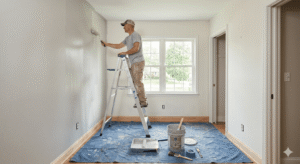
A house exterior usually needs repainting every 7 to 10 years. That’s the working range. But it keeps changing depending on siding, climate, and how the last job was handled by the painter. Wood moves faster. Fiber cement holds longer. And in places like Michigan, moisture and seasonal changes shorten that window. So instead of just asking how often to paint a house exterior, it helps us to look at what the surface is already telling us.
Also Read: How Much Does It Cost to Paint a 12×12 Room
Top 10 Signs It’s Time to Repaint Your House Exterior
- Peeling or flaking paint
- Fading or chalking color
- Cracking or bubbling paint
- Visible wood or bare patches
- Mold or mildew growth
- Caulk cracking around windows and doors
- Stains that won’t wash off
- It’s been more than 10 years
- Paint feels rough or chalky to the touch
- You’re noticing moisture damage or early rot
Top 10 Signs to Know When to Repaint House Exterior
1. Peeling or Flaking Paint
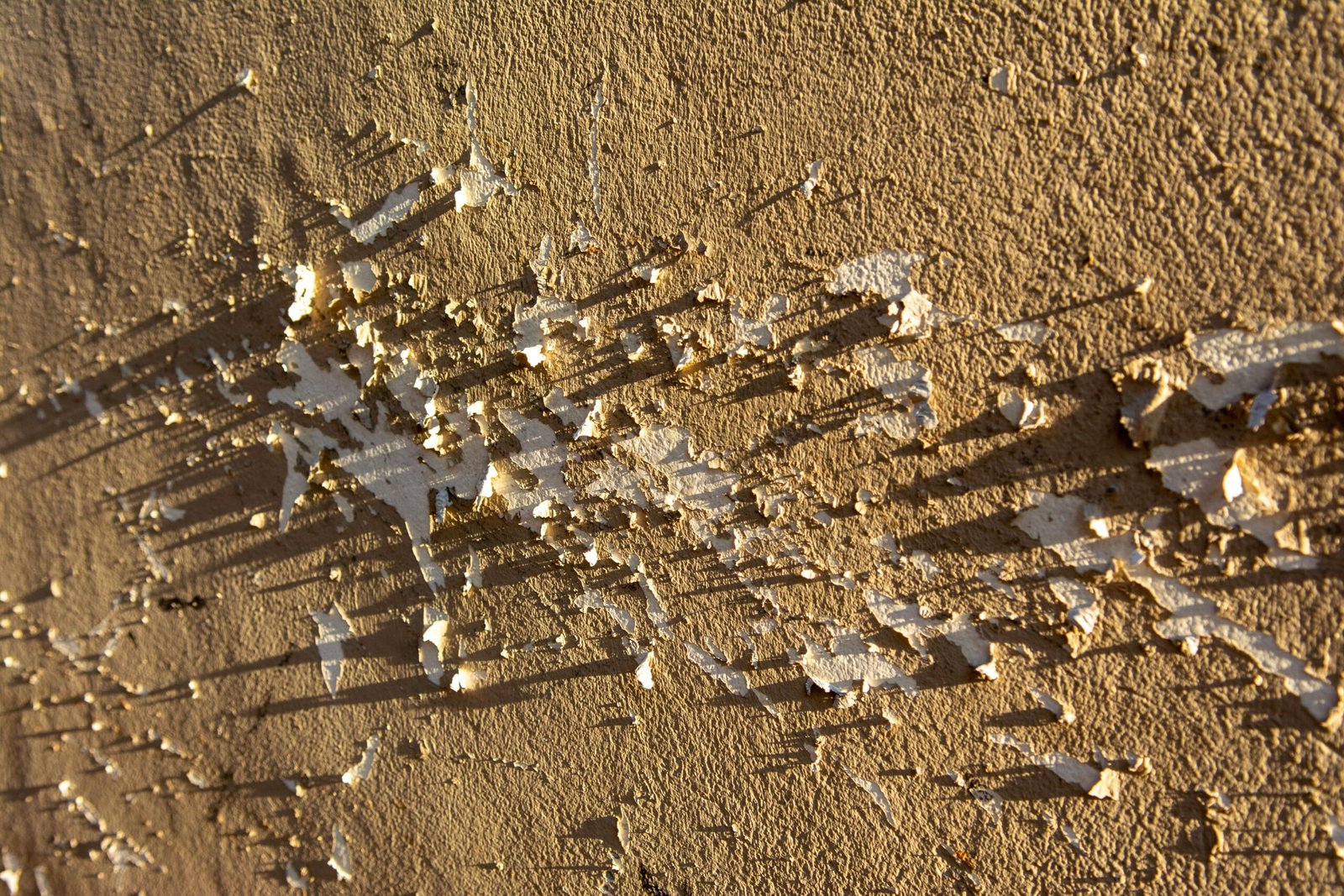
Peeling always starts small. Along the trim. Around the joints. Then it starts to spread. Once the surface loses adhesion, moisture easily gets behind it and pushes it further. At that point, it’s no longer about appearance. The siding underneath is exposed. This is usually the clearest sign of when to repaint the house exterior without any further delay.
2. Fading or Chalky Color
Sunlight breaks paint down slowly. Color fades first, then the surface turns powdery. Run your hand across it and you’ll feel it. That chalky residue means the coating has already started to fall off. From a distance, it can still pass. But up close, it’s done.
3. Cracking or Bubbling Paint
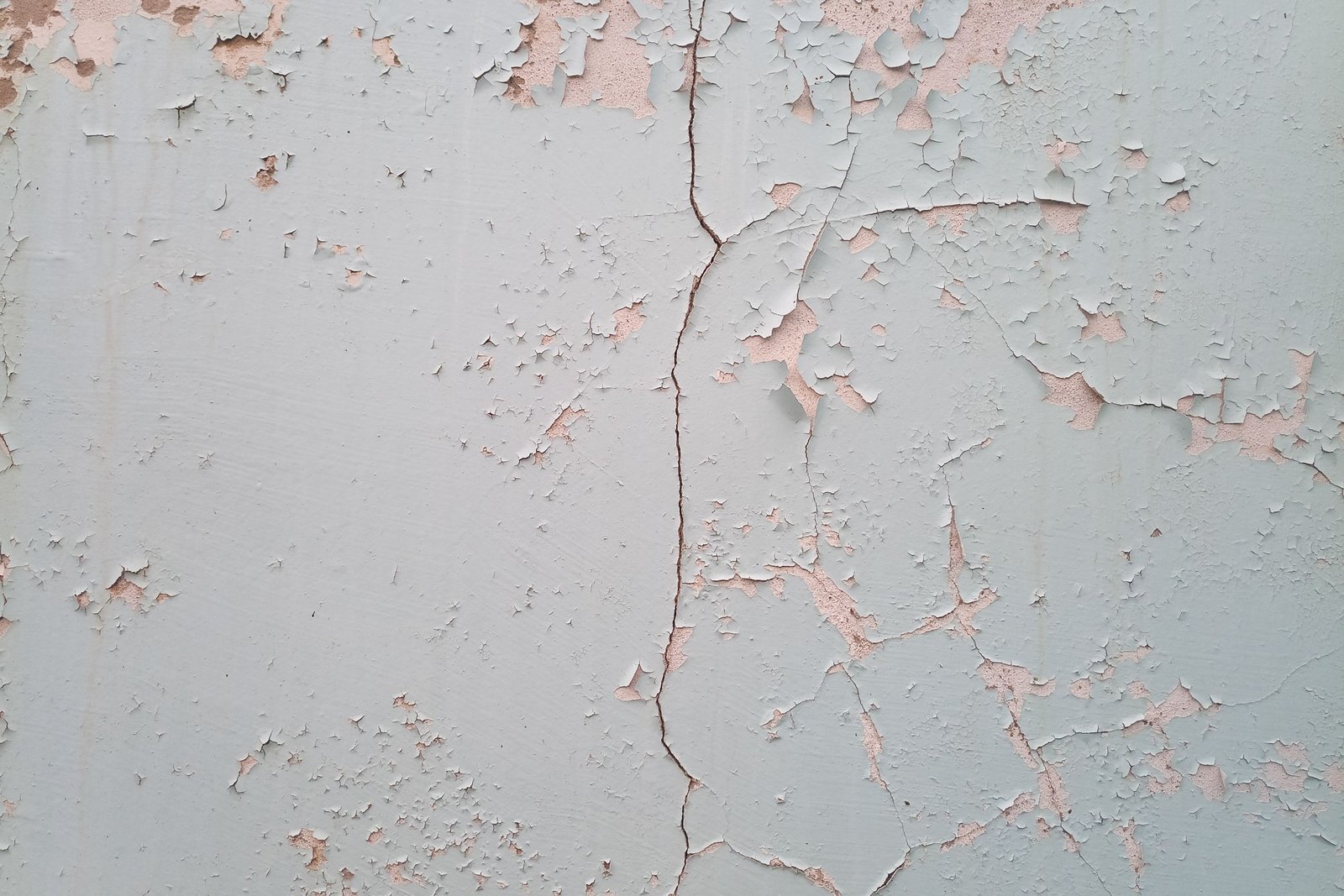
Bubbling points to moisture underneath. Cracking means the paint has lost its flexibility. Both mean the same thing. The coating can’t hold anymore. If you’re wondering how often to paint outside house, this is where timing stops being theoretical and becomes immediate.
4. Bare Patches or Exposed Wood
Once wood is visible, the clock speeds up. Water gets in quickly. The surface absorbs it. That’s where rot begins. At this stage, repainting is no longer routine maintenance. It’s preventing deeper damage.
5. Mold or Mildew on the Surface
Shaded sides of a home tend to hold moisture. In Michigan, that’s enough to encourage mold. You’ll see it return even after cleaning. That’s not just surface dirt. It means the coating has stopped protecting the material underneath.
Homes built before 1978 may have lead-based paint. In Michigan, this affects how exterior painting is handled. Additional preparation, containment, and safety procedures may be required depending on the condition of the existing surface.
This is where how often to repaint house exterior depends heavily on climate and time. This doesn’t apply to every home, but when it does, it can change the scope of work and overall cost. It’s something that needs to be identified before the project begins.
6. Caulk Cracking Around Windows and Doors
Caulk fails quietly. Small gaps form. Water starts getting in. The surrounding paint begins to follow. If you’re seeing this, repainting isn’t far behind. These systems tend to break down together.
7. Stains That Won’t Wash Off
Some stains don’t sit on the surface. Rust. Water streaks. Tannin bleed. If they remain after washing, they’ve already moved into the paint layer. At that point, repainting is the only way to reset the surface.
8. It’s Been More Than 10 Years
Even if everything looks fine, time still matters. Paint breaks down gradually. It loses strength before it shows visible damage. If you’re wondering how often you should paint the outside of your house, ten years is where it makes sense to stop guessing and start checking.
9. Paint Feels Rough or Gritty to Touch
Before peeling, there’s texture change. The surface starts to feel dry. Slightly abrasive. Easy to miss unless you’re paying attention. This is one of the earlier indicators of how often to paint the outside of the house before visible failure shows up.
10. You’re Seeing Moisture Damage or Early Rot
If moisture is getting into the siding, you’re past the safe window. Rot doesn’t slow down. It spreads. At this point, the question is no longer how often to paint the house exterior. It’s how quickly you can prevent further damage.
Also Read: How do you refinish cabinets with stain step by step
How Often to Paint House Exterior by Siding Type
Wood Siding – How Often To Paint Exterior of House (Wood)
Wood requires more upkeep. Expect repainting every 3 to 7 years. It absorbs moisture easily and reacts to weather faster than other materials.
Stucco – How Often to Paint Outside of House (Stucco)
Stucco holds moisture and develops cracks over time. Repainting typically falls around 5 to 6 years.
Hardie Board / Fiber Cement – How Often to Repaint House Exterior
More stable than wood or stucco. Repainting usually lands between 10 and 15 years, depending on exposure.
Vinyl Siding
Vinyl holds color longer. Repainting is usually driven by fading rather than failure. Not every coating adheres well, so material matters here.
Brick
Painted brick can last 15 to 20 years. Once painted, though, it becomes part of a cycle. It will need to be maintained going forward.
What Affects How Often You Paint the Outside of Your House
Climate plays a direct role. In Michigan, freeze-thaw cycles and moisture put constant stress on exterior surfaces. Preparation is where most results are decided. A clean, stable surface allows the coating to bond properly. Without that, even good materials fail early. Application matters just as much. Coverage, timing, and consistency shape how long the finish holds. This is where a proper exterior painting service makes a difference. The result isn’t just how it looks now, but how it holds years later.
Can You Paint Over Old Exterior Paint?
You can, if the existing paint is still holding. If it’s peeling or unstable, it needs to be removed first. Painting over failure doesn’t fix it. It repeats it.
A stable surface is the only thing worth building on.
Is Fall Too Late for Exterior Painting in Michigan?
Temperature decides that. Almost all coatings need consistent conditions above 50°F. In Michigan, fall can work, then suddenly not. Once nights start dropping, the window narrows quickly. Timing matters more than the calendar. Summer has its limits too. July and August can bring heat and humidity that affect how paint dries and cures. When conditions are too hot or too damp, the finish doesn’t set the way it should.
Timing matters more than the season itself.
How Long Does Exterior Paint Last in the Can vs. On Your House?
In a sealed can, paint can last close to 10 years if stored properly. Once opened, that window shortens. On a house, it’s exposed to everything. Sun, moisture, seasonal shifts. That’s why how often paint exterior of house depends far more on conditions than storage life.
When to Hire an Exterior Painter vs. DIY
Smaller sections are manageable. Full exteriors are different. Access, preparation, and consistency all scale up quickly. That’s where working with an exterior painting service becomes the practical choice.
Looking for Exterior Painting in Michigan?
If your home is showing these signs, it’s worth addressing it before the work grows. The English Painters provide exterior painting in Michigan, working across Grand Rapids and surrounding areas with a focus on preparation and long-term results. If you’re looking for exterior house painters in Grand Rapids MI.
Frequently Asked Questions
Every 7 to 10 years is a reasonable range. It depends on siding type, climate, and how the previous job was done.
Some high-performance coatings are designed for longer life, but preparation and application matter just as much as the product.
Yes, if it’s still intact. If it’s failing, it needs to be properly cleaned, scraped, and primed before repainting.